


Contents of this guide
- Why Ride Through Winter?
- Understand Australia's Winter Conditions
- Dress in Layers Instead of Wearing One Thick Jacket
- Keep Your Hands, Feet, and Face Warm
- Be Seen During Shorter Winter Days
- Prepare Your Bike for Winter Riding
- Essential Winter Cycling Gear Checklist
- Common Winter Cycling Mistakes
- Enjoy Every Winter Ride
Winter doesn't mean the end of the cycling season. In fact, for many Australian cyclists, winter is one of the best times of year to ride. Cooler temperatures and quieter roads make cycling a pleasure—provided you're well-prepared.
Unlike countries that experience extreme cold, winters in Australia vary by region. Cyclists in Brisbane and Perth typically enjoy mild, dry weather, while those in Melbourne, Canberra, or Tasmania are more likely to face cold winds, rain, and chilly mornings. Understanding these differences and preparing accordingly will make every ride safer and more comfortable.
Whether you're commuting to work or going on a weekend adventure, this guide covers everything you need for winter cycling in Australia.
Why Ride Through Winter?
When temperatures drop, many cycling enthusiasts pack away their bikes, but winter cycling actually offers many advantages.
Cooler weather helps regulate body temperature for long rides, making endurance riding more comfortable. Roads and bike paths are generally quieter, and maintaining your cycling routine throughout the winter means you'll be ready for spring.
The benefits of winter cycling include:
- More comfortable weather for long rides
- Less congestion on popular routes
- Maintaining good physical condition year-round
- Increased confidence in handling changeable weather
With the right clothing and gear, winter cycling will quickly become something you look forward to, not something to avoid.

Understand Australia's Winter Conditions
One of the biggest mistakes riders make is assuming Australia's winters are the same everywhere.
- Melbourne often experiences cold winds, sudden showers, and rapidly changing weather.
- Sydney usually has mild daytime temperatures but chilly mornings, especially near the coast.
- Canberra regularly sees temperatures close to freezing before sunrise.
- Brisbane enjoys some of Australia's best winter riding conditions with cool, dry weather.
- Tasmania offers beautiful winter rides but requires extra attention to warmth and visibility.
Checking the weather forecast before every ride is a simple habit that can help you prepare for changing conditions, particularly wind, rain, and reduced daylight.
Dress in Layers Instead of Wearing One Thick Jacket
The key to staying comfortable isn't wearing the thickest jacket you own—it's layering your clothing correctly.
A simple three-layer system works well for most Australian winter rides.
Base Layer
Choose a moisture-wicking base layer that keeps sweat away from your skin. Staying dry is just as important as staying warm.
Mid Layer
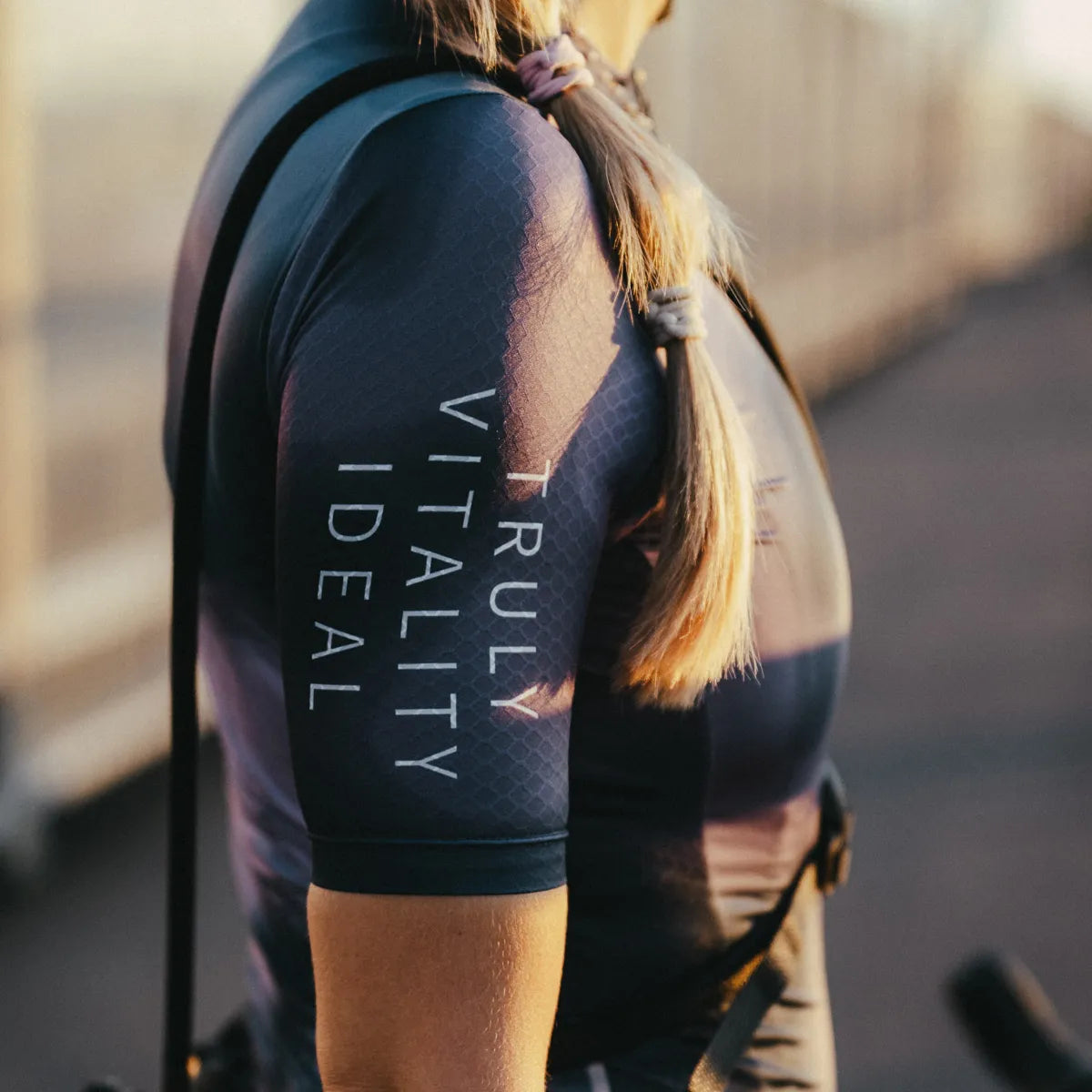
A thermal jersey or lightweight fleece traps body heat while remaining breathable. Merino wool is an excellent option because it regulates temperature naturally.
Outer Layer
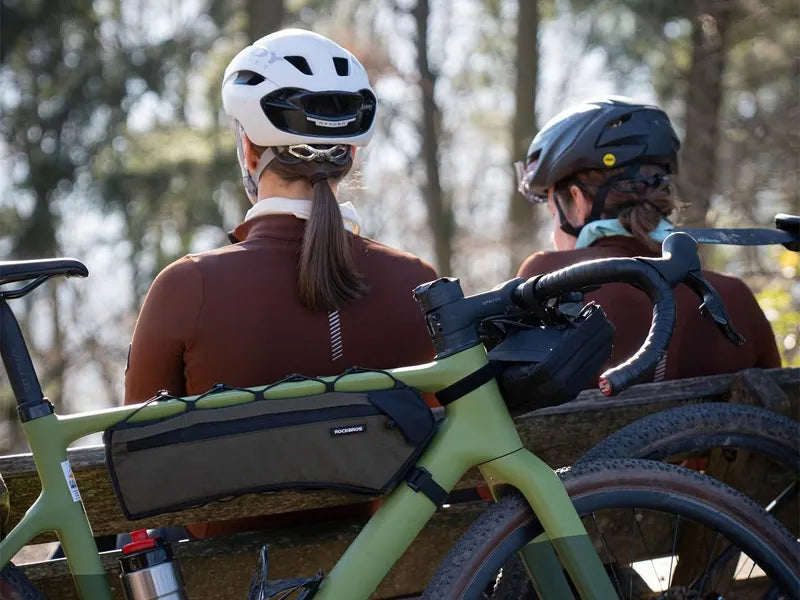
Finish with a windproof and water-resistant cycling jacket. It should protect you from cold wind and light rain without restricting airflow or causing overheating during climbs.
Avoid cotton clothing, as it absorbs moisture and loses its insulating ability once wet.

Keep Your Hands, Feet, and Face Warm
Cold extremities are often the first thing riders notice during winter.
Hands
Choose insulated cycling gloves with windproof materials. Good gloves maintain handlebar control while protecting your fingers from cold air.
Feet
Your feet receive constant airflow while riding, making shoe covers one of the most effective winter accessories. Pair them with thermal cycling socks for additional warmth.
Face and Neck
A lightweight balaclava or neck warmer protects exposed skin from cold wind, especially during early morning rides or fast descents.
Be Seen During Shorter Winter Days
Winter brings shorter daylight hours, foggy mornings, and lower visibility.
Using quality bike lights isn't just about seeing the road—it's about making sure other road users can see you.
For safer riding:
- Use a bright front light, even during overcast days.
- Install a smart rear light with brake-sensing or flashing modes.
- Wear reflective clothing or accessories on your jacket, helmet, or backpack.
- Choose bright colours whenever possible.
If you regularly commute before sunrise or after work, reliable lighting should be considered essential equipment rather than an optional accessory.

Prepare Your Bike for Winter Riding
Your bike also needs extra attention during winter.
Before riding, check:
- Tyre pressure (slightly lower pressure can improve grip on wet roads)
- Brake pad wear and braking performance
- Tyre condition and tread
- Battery level of your bike lights
- Chain lubrication
After riding in wet conditions, rinse away dirt, wipe down the drivetrain, and reapply lubricant to prevent premature wear.
Regular maintenance not only improves performance but also extends the lifespan of your bike.

Essential Winter Cycling Gear Checklist
Having the right equipment makes winter riding safer and more enjoyable.
| Gear | Why You Need It |
|---|---|
| Windproof Cycling Jacket | Blocks cold wind while remaining breathable |
| Thermal Cycling Gloves | Keeps hands warm without sacrificing grip |
| Cycling Shoe Covers | Protect feet from cold air and road spray |
| Balaclava or Neck Warmer | Shield your face and neck from the wind |
| Front Bike Light | Improves visibility and lights the road ahead |
| Smart Rear Bike Light | Makes you more visible to traffic |
| Reflective Vest or Accessories | Helps drivers spot you earlier |
| Waterproof Bike Bag | Keeps essentials dry |
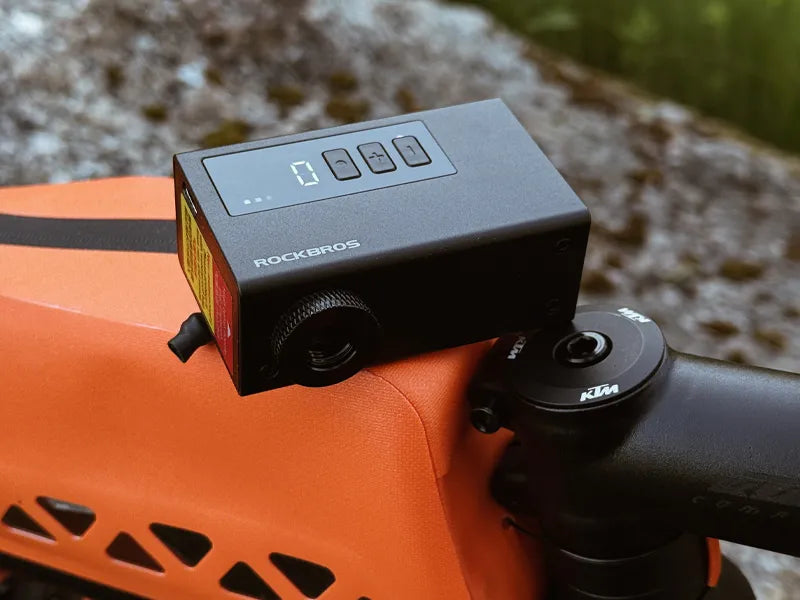
| Mini Pump | Handles unexpected tyre pressure issues |
| Multi Tool | Enables quick roadside adjustments |
Common Winter Cycling Mistakes
Even experienced cyclists can make simple mistakes during winter.
Try to avoid:
- Wearing cotton clothing that traps moisture
- Overdressing and overheating during climbs
- Riding without front and rear lights
- Forgetting to clean your bike after wet rides
- Braking sharply on painted road markings or metal surfaces
- Ignoring weather forecasts before heading out
Small adjustments often make a noticeable difference to both comfort and safety.
Enjoy Every Winter Ride
Winter cycling in Australia doesn't have to be uncomfortable. With a little preparation, the right clothing, and regular bike maintenance, you can continue riding confidently throughout the colder months.
Whether you're commuting through the city, training for your next event, or enjoying quiet weekend rides, investing in quality winter cycling gear helps you stay warm, visible, and ready for every kilometre.


Leave a comment
This site is protected by hCaptcha and the hCaptcha Privacy Policy and Terms of Service apply.